The 26th lecture of Peking University Dishui Lake Lecture Hall (PKU-DSLLH)was successfully held at the Dishui Lake Theater last night. Professor Qian Chengdan, a Boya Chair Prof.of Peking University, was invited to deliver a special lecture titled "The Eastern Battlefield of World War II in the Global Pattern".
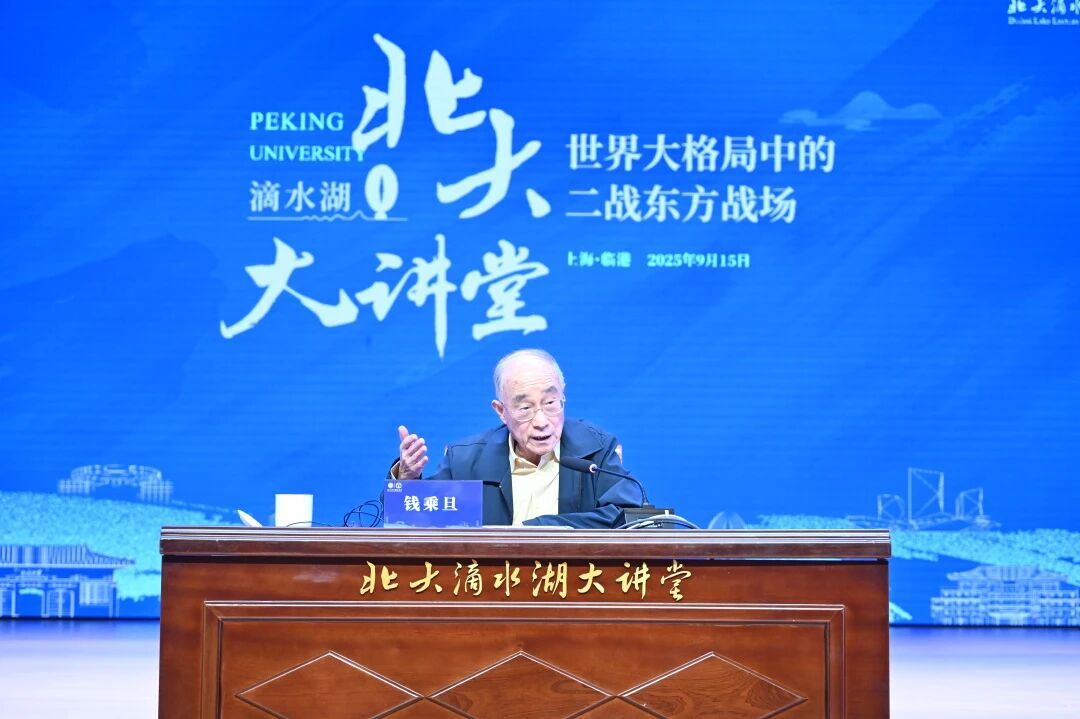
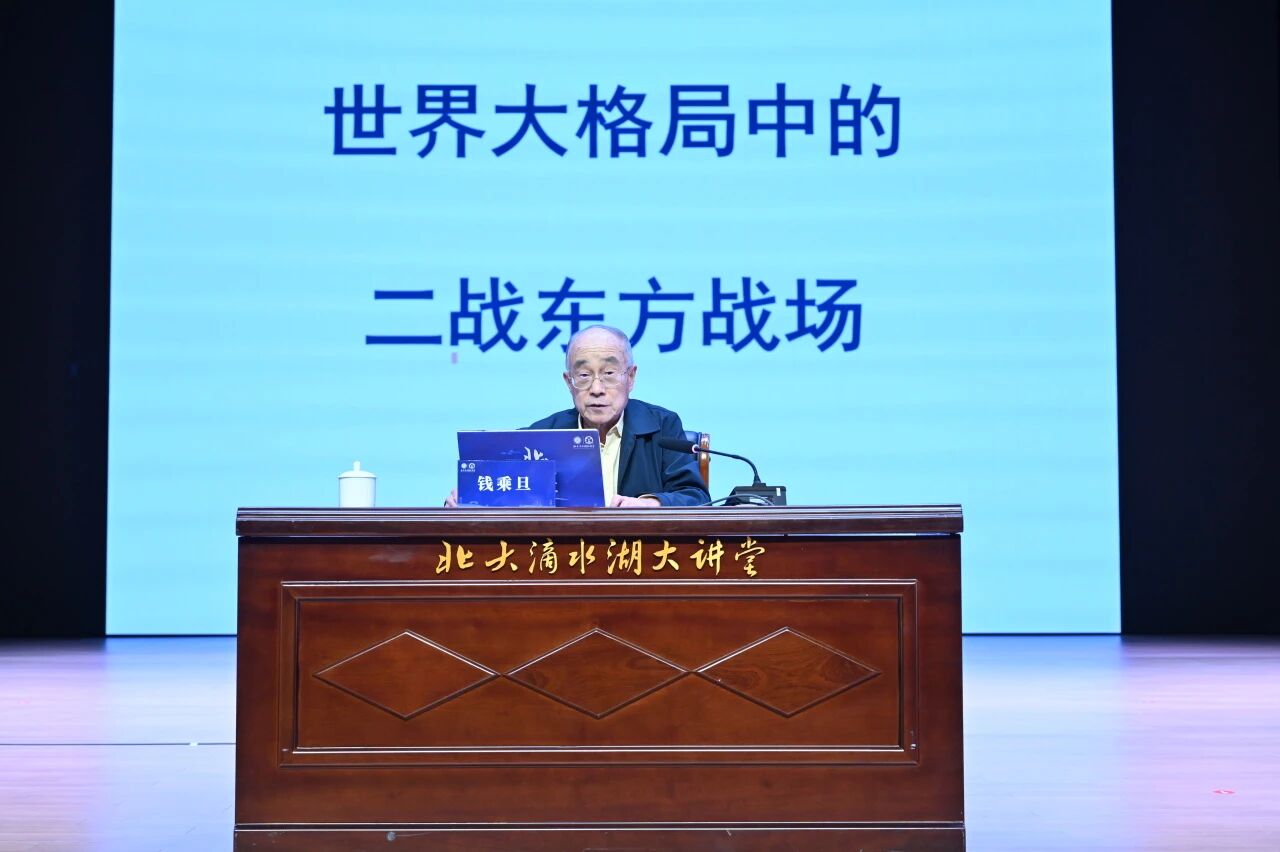
At the lecture, Prof. Qian started from the macro perspective of changes in the international pattern and systematically expounded on the unique status and historical logic of the Eastern Battlefield of World War II. He pointed out that the Eastern Battlefield comprised two major battlefronts: the Chinese Battlefield and the Pacific Battlefield. Among them, the Chinese Battlefield had long been the core force in defeating Japanese militarism, yet this fact has not been fully recognized by the international community. By sorting out the three stages of imperialist aggression against China since 1840, Prof.Qian revealed the in-depth historical roots of the formation of the Chinese Battlefield during World War II. He emphasized that the transition from the "balance of power among imperialist powers" to "Japan's monopolistic seizure" pushed the Chinese nation into the most critical situation of survival, while also thoroughly inspiring its determination for national rejuvenation.
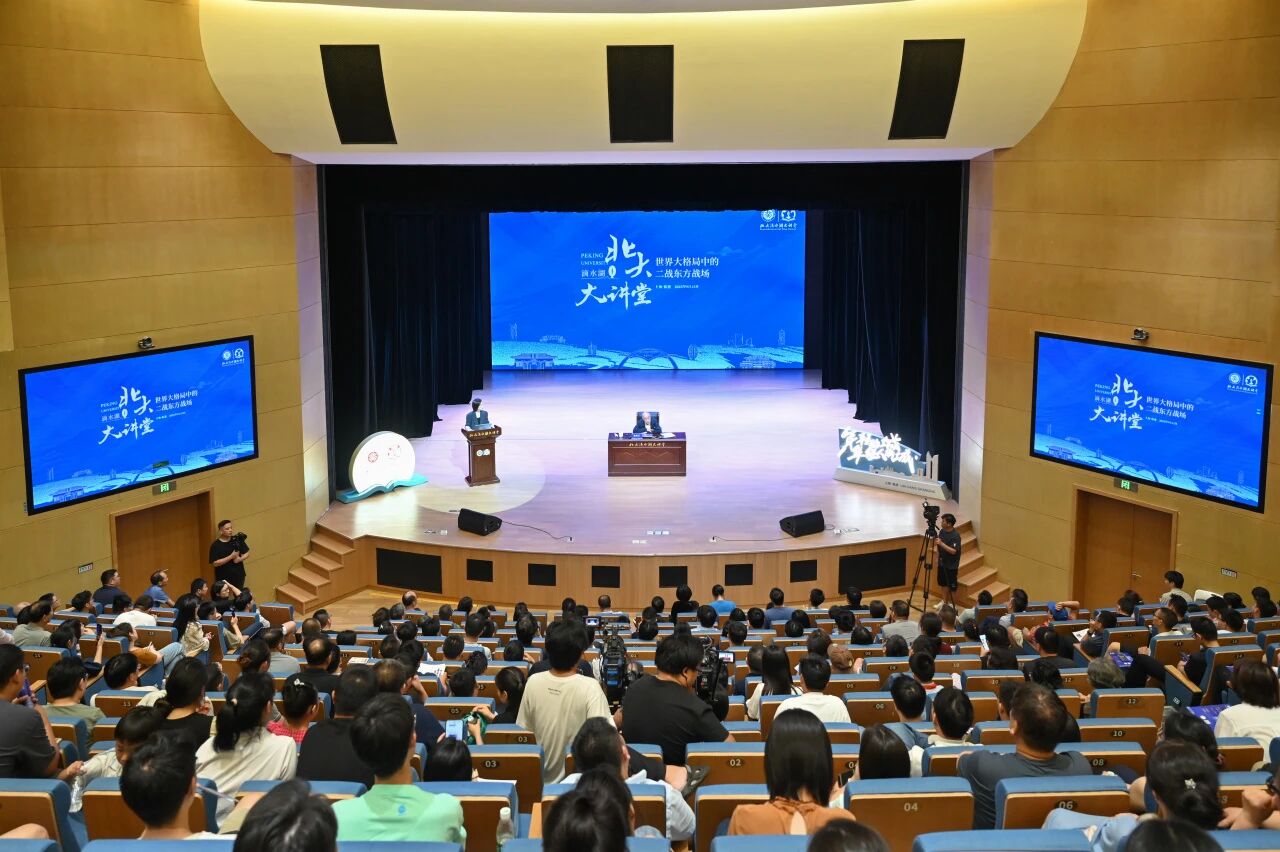
Prof.Qian specifically analyzed that the essence of the Pacific Battlefield was the struggle between the United States and Japan for control of the Pacific Ocean. Regarding the evaluation of the Chinese Battlefield, he noted that although China was poor and weak at that time, it still fought tenaciously with its flesh and blood, pinning down the main forces of the Japanese army and creating crucial conditions for the allied forces' strategic counteroffensive. He particularly affirmed the unique contribution of the behind-the-lines battlefield: the anti-Japanese armed forces led by the Communist Party of China established base areas in the occupied regions, effectively consuming the Japanese army's strength and demonstrating remarkable organizational and mobilization capacity. Prof.Qian stressed that if the Chinese Battlefield had collapsed, both the course and outcome of the war would have been completely altered. Therefore, the perseverance of the Chinese Battlefield was not only related to China's own survival but also provided strategic support for the global anti-fascist war.
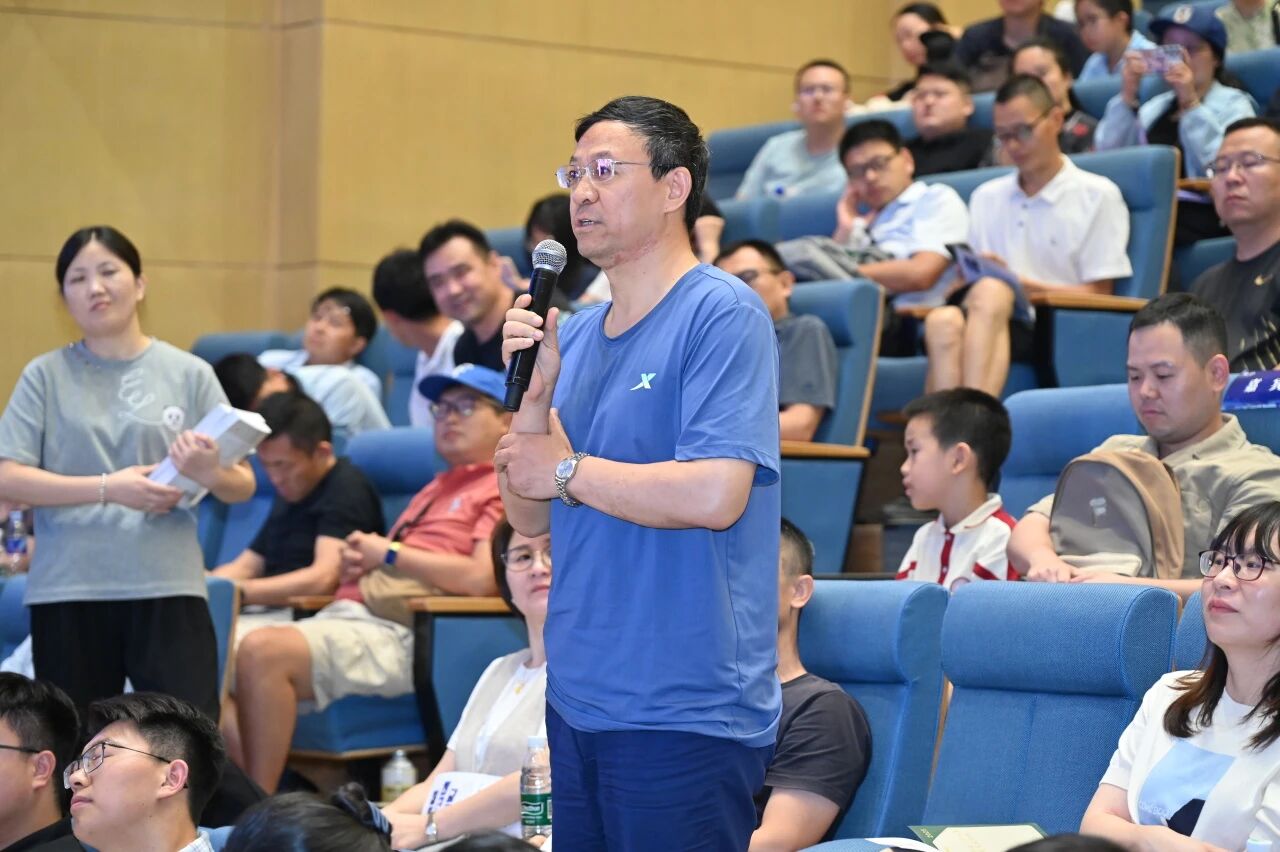
During the interactive Q&A session, the audience actively asked questions around topics such as "the connection between the Chinese People's War of Resistance Against Japanese Aggression and the World Anti-Fascist War" and "the decisive factors for Japan's defeat and the historical role of the atomic bombs". Prof.Qian pointed out that the Chinese People's War of Resistance Against Japanese Aggression was inherently the main eastern battlefield of the World Anti-Fascist War, forming two core pillars together with the European battlefield. The strategic coordination between China and the United States in the Pacific War was inevitable. The core reason for Japan's defeat was the exhaustion of its war resources and its strategic isolation; the atomic bombs only served as a catalyst to accelerate its surrender, not a decisive factor. Treating them as the decisive factor would obscure the complexity of history.
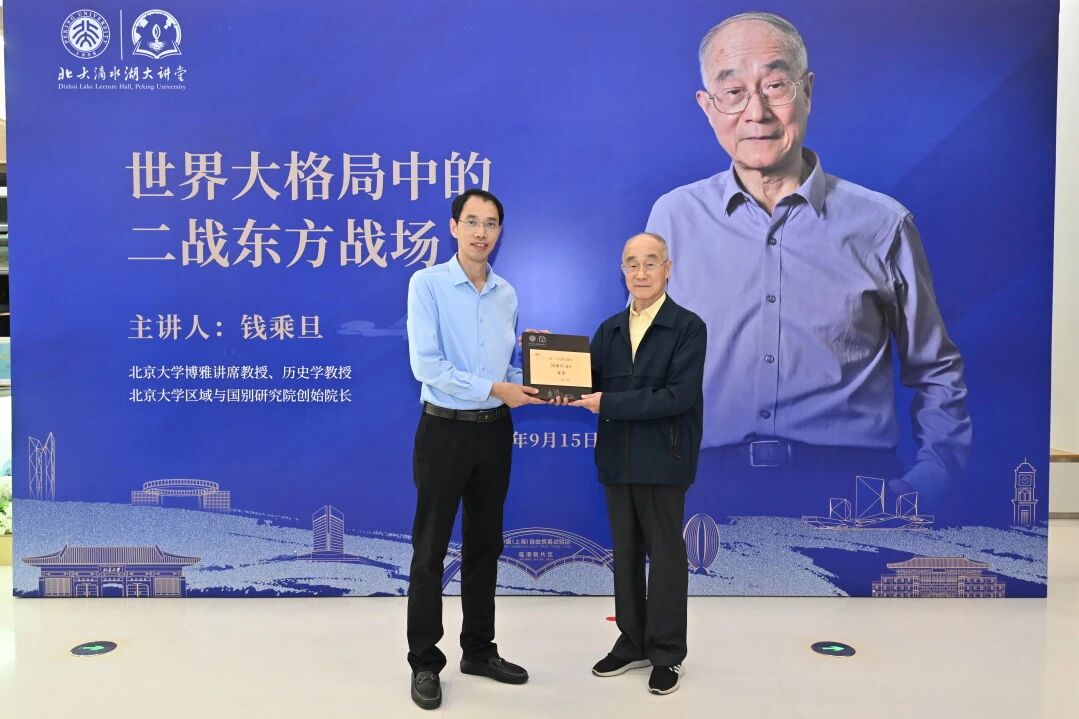
Tang Hao, Member of the Party Working Committee of the Lingang Special Area and Full-time Deputy Director of the Administrative Committee of the Lingang Special Area, attended the event and presented Prof.Qian Chengdan with a commemorative plaque for the lecture. Over 360 citizens attended the lecture on site.
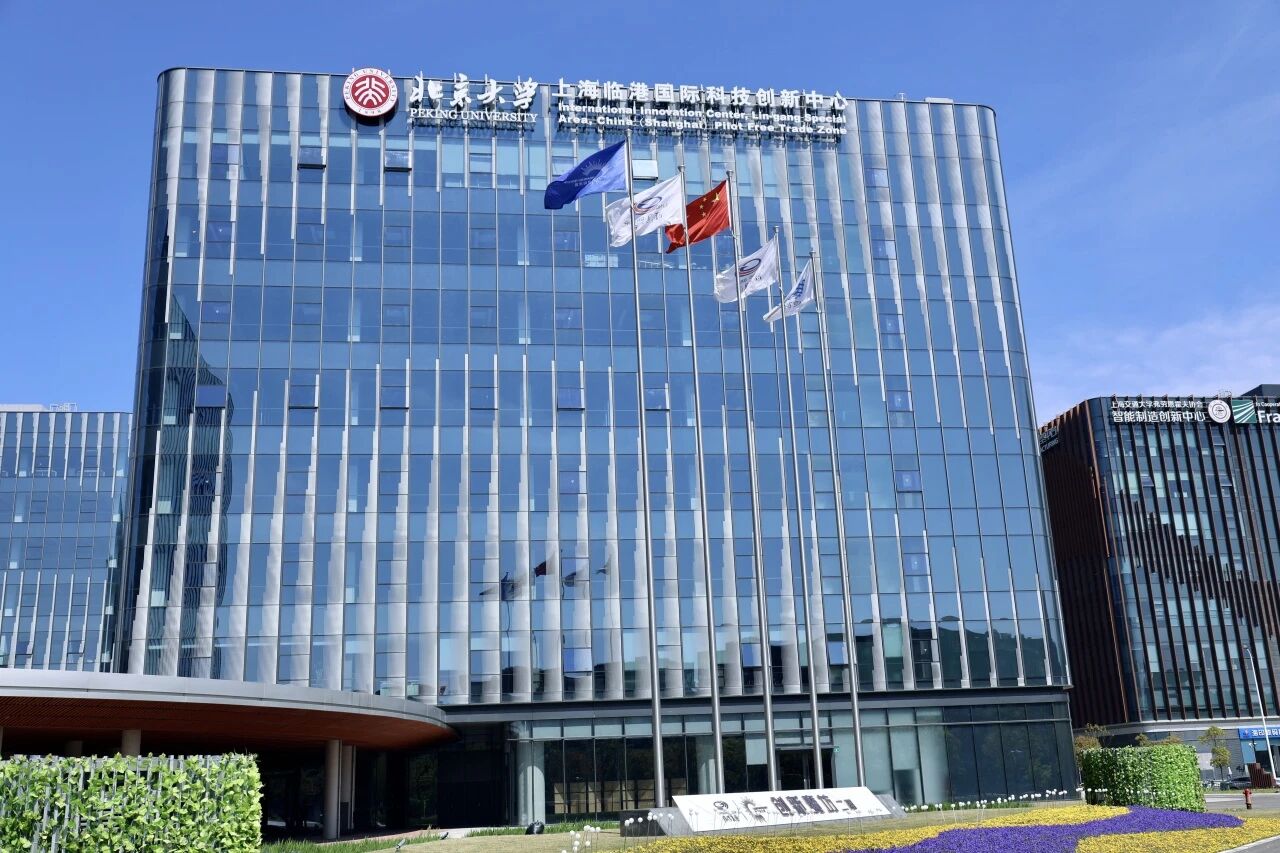
Before the event, Prof.Qian conducted an on-site inspection of the Peking University International Sci-Tech Innovation Center at Lin-gang Special Area (PKU-IICSH), visited the Peking University Lin-gang Party-Mass Service Center on the first floor of the center, and provided cordial guidance on the center's development.
Initiated and supported by Lin-gang Special Area Administration(LSAA) of China (Shanghai) Pilot Free Trade Zone, the PKU-DSLLH is jointly launched by the PKU-IICSH, the Science and Technology Development Department of Peking University, and the Department of Social Sciences of Peking University. It also has in-depth participation from relevant units such as Peking University Press and Peking University Alumni Association. Relying on Peking University's profound academic accumulation and expert resources in fields like humanities and social sciences, it focuses on areas including economic development, humanistic arts, and social governance.
Since August 2023, one renowned professor or expert scholar from Peking University has been invited to the Lin-gang Special Area every month to give special lectures and conduct in-depth exchanges with the builders of the Special Area. This initiative promotes the aggregation of Peking University's high-quality humanities and social sciences resources in Lingang, effectively enhances the cultural image and urban competitiveness of the Lin-gang Special Area, and better meets the diverse and high-quality spiritual and cultural needs of citizens. The PKU-DSLLH has become an important humanistic brand event in the Lingang New Area. It enables every striver in Lingang to unleash their youthful passion, pursue their youthful dreams, and achieve all-round development under the nourishment of culture. This not only forges richer cultural texture for Lingang – "Young City for the Youth" – but also injects stronger spiritual vitality into it.